
ROD MORENO MASEY STANDS FOR ELECTION TO RIBA LONDON COUNCIL
Our founder, Rod Moreno Masey, is standing for election to the RIBA London Council on Monday 15 June 2026.
Rod’s decision to stand comes from a belief that the profession needs a clearer voice, a stronger collective organisation, and a more confident explanation of its value.
It stems from a question Rod has been asking more directly in recent years: is architecture becoming irrelevant?
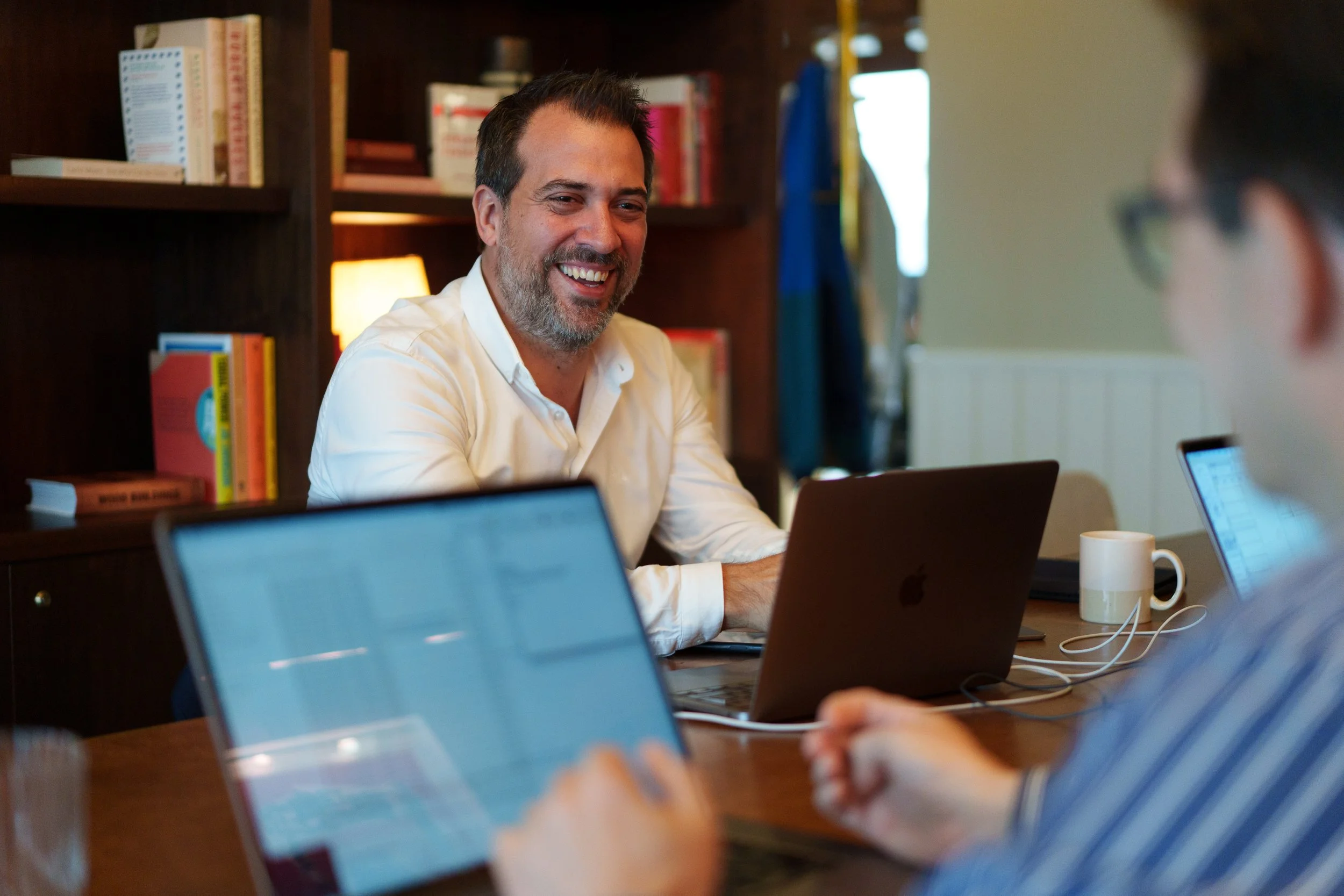
“It is an uncomfortable question, but a necessary one,” says Rod. “Architecture is built on long training, unlimited liability, and increasing regulatory pressure. Yet the value of our work is often poorly understood, both by the public and by parts of the wider industry.”
What is RIBA?
The Royal Institute of British Architects, better known as RIBA, is a global professional membership body for architecture. Its role is to advance the industry, support architects and practices, and promote better buildings, places, communities and environmental outcomes.
RIBA supports the profession through education, professional standards, research, advocacy, guidance and knowledge sharing. In simple terms, it exists to help architecture remain useful, rigorous, trusted and relevant.
What does a RIBA Council Member do?
A RIBA Regional Council member acts as a bridge between architects working in practice and the national institution that represents them. They convey local and regional concerns in wider conversations about policy, advocacy, education, standards, professional support and the future direction of architecture.
For London, those conversations are particularly urgent. The city brings together architectural ambition, complex regulation, high land values, intense commercial pressure, housing needs, sustainability targets and a huge concentration of practices of different sizes. It is also where many of the pressures facing the profession are felt most sharply.
Why Rod is standing
Rod’s manifesto begins with a direct challenge to the profession: “The title is protected but the function is not.”
“Architects train for years. We carry significant responsibility, operating within planning, building control, regulation, liability, sustainability, technical coordination and client pressure. We also have to compete on price against an unregulated market carrying none of our professional risk or responsibility.”
“ERODED MARGINS AND INTENSE COMPETITION LEAVE STUDIOS LIKE MINE WITH NO TIME TO INVEST IN KNOWLEDGE AND NO INCENTIVE TO SHARE IT. THERE IS NO OTHER PROFESSION THAT SPENDS SO MUCH OF ITS TIME RE-LEARNING THE EXPERIENCE OF OUR PEERS AND RELIVING THE MISTAKES OF OUR PREDECESSORS.”
Together, this creates a wider misunderstanding about what architects actually provide.
As Rod said in a recent conversation with Vince Simpson on the Spark London podcast: “Clients are buying far more than drawings. They are buying advice.”
“The drawing is the tool through which architectural advice is presented. It allows a building to be designed, costed, approved and built. But the real value is the thinking behind it: the judgement, the technical understanding, and the ability to align ambition with budget, regulation, programme and long-term use.”
For Rod, this is where RIBA has an important role to play. It is one of the few bodies with the reach, authority and structure to advocate for architecture at a time when it faces significant pressures.
Why this is especially important now
“Soon, AI will be faster, cheaper and more accurate across huge areas of what we currently do,” says Rod. “Image generation, drawing production, option testing and technical workflows will all continue to shift.”
“WITHOUT COLLECTIVE ORGANISATION, WE WILL FACE THE AI TRANSFORMATION ALONE. THE CHALLENGES IT PRESENTS ARE TOO BIG FOR ANY ONE PRACTICE. RIBA EXISTS TO SERVE AND PROTECT THIS PROFESSION, AND I WANT TO HELP IT DO THAT.”
“Our future depends on stronger solidarity, clearer public value, and a united industry capable of sustaining both technical excellence and design quality for architects, practices, and the communities we serve.”
“Architecture is better when we work together. That’s why I’m standing for election.”
